
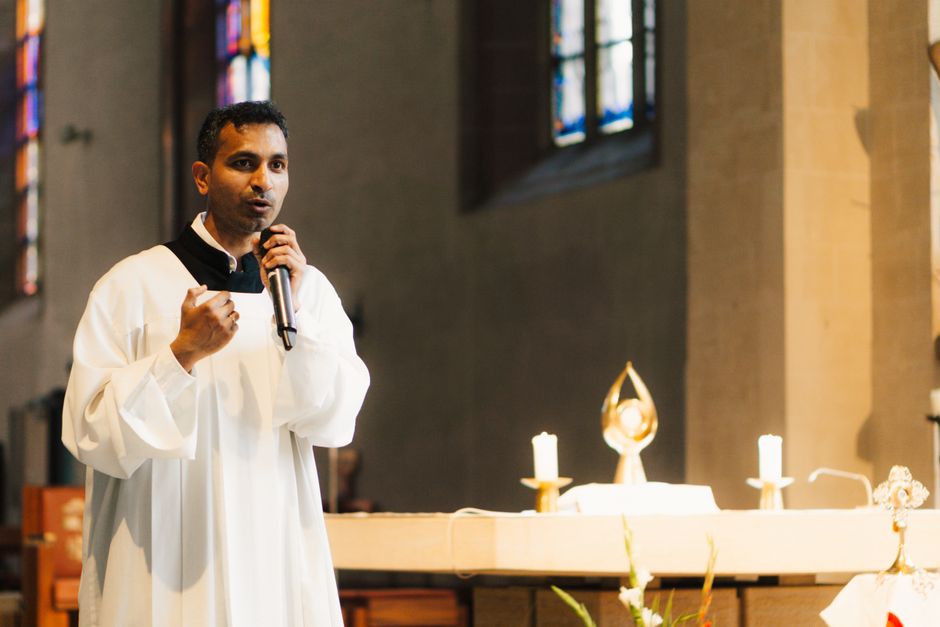
Faith apps serve pastoral care best when they help real clergy and ministry teams recognise needs, protect private information, and follow through. For churches with 500 or more members, the right test is simple: does the software strengthen human care after someone taps, registers, replies, or asks for help?
In 1854, physician John Snow faced a deadly cholera outbreak in Soho, London. His map of deaths around the Broad Street water pump became famous, but the map alone did not explain every household or persuade everyone who questioned his theory.
Snow needed the local knowledge of the Reverend Henry Whitehead, a curate at St Luke’s Church on Berwick Street. Whitehead knew the neighbourhood and its people. He initially doubted Snow’s argument, then investigated the outbreak himself. His relationships helped uncover details that rows of addresses could not supply.
Steven Johnson documents their collaboration in The Ghost Map. Snow brought a method for finding patterns. Whitehead brought trust, context, and access to people’s lived experience. Together, their work produced a stronger account of how the outbreak spread.
That partnership offers a useful pattern for church technology. Software can reveal where attention may be needed. Human ministry decides what care should follow.
Let software surface the need, then give it to a person
The rise of faith apps connected to real clergy points toward a healthier role for technology. A member may use an app to request prayer, ask a question, register for an event, or indicate that they want to speak with someone. The useful outcome begins when an appropriate person receives that signal and responds.
For a 500-member church, memory and informal WhatsApp messages stop being dependable systems. A prayer request can disappear beneath choir updates. A first-time visitor may complete a form and hear nothing afterward. A member who misses several events may remain invisible because no single leader sees the whole pattern.
Church software should help ministry teams notice these moments without pretending to interpret a person’s spiritual life. Attendance records can show absence. They cannot explain it. A group record can identify someone’s small group. It cannot replace the leader who knows whether a call, visit, or quiet conversation would be welcome.
ChurchFlow follows this human-centred direction by bringing member groups, events, conference registration, check-in, transport coordination, and targeted updates into one shared operational view. That foundation helps a church act on what members have already chosen to share. It does not make software the pastor.
Treat privacy as part of pastoral care
Ministry data can be unusually sensitive. A church may hold phone numbers, attendance history, volunteer roles, group membership, transport details, and records connected to personal requests. Collecting all available information creates responsibility, not automatic value.
Before choosing an app, ask who can see each category of data. A transport coordinator may need a passenger list and phone number. That person does not automatically need access to pastoral notes. An usher may need to confirm a conference registration without seeing a member’s wider history.
Role-based permissions matter because trust can be damaged by ordinary mistakes. A volunteer opening the wrong profile, exporting an unrestricted list, or forwarding a screenshot can expose information without malicious intent.
Churches should also ask what happens when someone leaves a ministry role, how access is removed, and whether the system records important actions. Privacy belongs in the operating routine, alongside safeguarding and financial controls.
This principle also applies to marketing claims. If a giving feature or an analytics feature remains unfinished, the pricing page should say so plainly. The two unfinished features a church pricing page must reveal before Monday explains why feature honesty affects both purchasing decisions and congregational trust.
Measure the follow-through, not the tap
A polished app can make an incomplete process look finished. The member presses “Send prayer request” and sees a confirmation. The church still needs an owner, an expected response path, and a way to know whether the request received attention.
Run a practical test before signing a contract:
- Submit a pastoral-care request using a test account and confirm which authorised person receives it.
- Register for an event, change one detail, and check whether the right member and coordinator see the update.
- Remove a volunteer’s role and verify that access disappears.
- Trace a missed follow-up from the member’s screen to the admin record.
- Ask what works when connectivity is limited or a member relies on SMS.
This is where operational software earns its place. ChurchFlow’s conference tools have supported roughly 8,752 registrations, with QR check-in, transport coordination, and targeted communication helping staff carry decisions through to the event floor. That scale is useful proof because pastoral warmth depends partly on reliable execution. A welcome loses meaning when the registration cannot be found. A caring update arrives too late if it remains buried in a general chat.
For communication outside Sunday services, how churches can keep Sunday’s message from getting lost in WhatsApp offers a related test: give each message a clear home and a clear next action.
Choose the partnership, not the substitute
John Snow’s map became powerful when Henry Whitehead’s local knowledge tested and deepened it. The lesson for a church committee is equally practical. Choose software that helps trusted people see what needs attention, limits what each person can access, and records whether the promised response happened.
During the next product demonstration, skip the idealised dashboard tour for ten minutes. Enter a prayer request, register a member, change a bus assignment, and remove a volunteer’s access. Then watch where each signal goes and identify the human responsible for the final step.
Comments
No comments yet.