
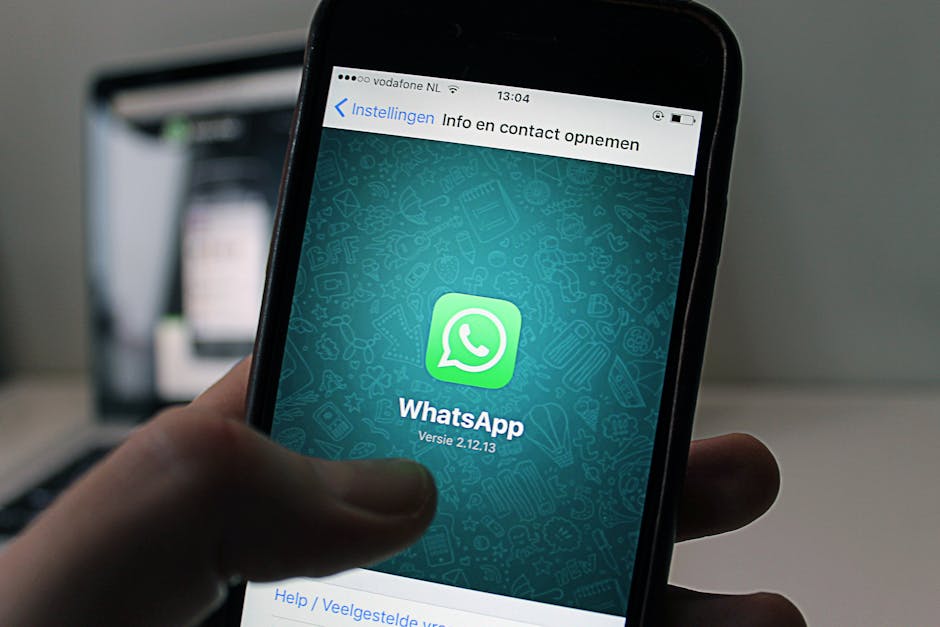
A member searches beneath dozens of WhatsApp posts for the sentence that moved them on Sunday. Churches need a deliberate between-service rhythm that brings the message back through timely reminders, practical prompts, and clear next steps.
The sermon is still somewhere in the group chat. So are birthday greetings, prayer requests, event posters, voice notes, transport questions, and several “Amen” replies. By Tuesday evening, finding the message takes work. Acting on it takes even more.
What Hermann Ebbinghaus discovered about forgetting
In the 1880s, German psychologist Hermann Ebbinghaus faced a difficult question: how could he measure something as slippery as human memory?
Working largely on himself at the University of Berlin, he memorized lists of meaningless syllables, waited for different periods, and tested how much effort it took to learn them again. He used invented combinations because familiar words carried associations that could distort the results.
His experiments showed that memory fades rapidly after learning, then declines more slowly. They also showed the value of repetition. Revisiting material reduced the effort required to recall it later.
Ebbinghaus published his findings in 1885 in Über das Gedächtnis, later translated as Memory: A Contribution to Experimental Psychology. His work became the basis for what educators now call the forgetting curve.
A Sunday message faces the same basic pressure. People hear it once, then return to work, school runs, traffic, family responsibilities, news, and hundreds of competing notifications. A powerful sermon can remain meaningful while its practical details disappear.
That does not mean the congregation was inattentive. Forgetting is a normal part of memory.
A sermon needs more than a Sunday delivery
Church communication often treats Sunday as the finish line. The message is preached, the recording is uploaded, and a link enters a WhatsApp group already carrying several other conversations.
By Tuesday, the member may remember the central feeling but lose the action attached to it. Call someone. Read a passage. Join a group. Register for the conference. Pray about one specific decision.
A between-service rhythm protects that next step.
The rhythm can be simple:
- On Sunday afternoon, share one clear sentence from the message and the related scripture.
- On Tuesday, send one practical reflection or action prompt.
- On Thursday, connect the message to an upcoming group, event, or opportunity to serve.
- Before the next service, invite members to notice what changed when they acted.
Each communication should carry one purpose. A reminder about Tuesday’s reflection should not compete with six event notices and a transport update in the same block of text.
This is also where channel choice matters. WhatsApp remains useful, especially where members already gather. Yet a busy group chat does not give every message equal weight. Churches should decide which updates belong in conversation and which need a stable home members can return to.
For event communication, that distinction becomes even more important. WhatsApp vs. Dedicated App: Clarity for Event Announcements explores what happens when essential instructions compete with everyday chat.
Build one weekly path members can recognize
A healthy engagement rhythm does not require daily notifications. Too many prompts create another stream people learn to ignore.
Consistency matters more than volume. Members should gradually recognize where to find the week’s message, the next action, their group information, and current event details. The experience should feel familiar enough that nobody needs to search five chats or call the church office.
ChurchFlow is designed around that kind of member connection. Churches can keep events, groups, registrations, announcements, and transport information together, while administrators manage the operational details behind them. At IMPACT 2025, the platform supported roughly 8,752 conference registrations and a 5,296-recipient SMS campaign. That operational foundation matters because a reminder only helps when the information behind it is current.
The same principle applies to ordinary weeks. A member who opens the app should see what is happening at their church without reconstructing the week from scattered posts. A coordinator should be able to update the relevant people when plans change, rather than repeating corrections across several groups.
ChurchFlow still has work ahead in building a stronger weekly member habit. Its own product audit found that the app lacks a complete between-service trigger and reward cycle. That is useful honesty. Technology can provide the home and delivery path, but church leaders must still choose a rhythm worth returning to.
Start with one message and one next step
Choose one sermon this month. Before Sunday, decide what members should remember and do by Tuesday.
Write the Sunday recap before the service ends. Prepare one midweek prompt. Connect it to a real place in church life, such as a small group discussion, an event registration, a volunteer role, or a personal reflection. Then check whether members opened, responded, registered, or participated.
Ebbinghaus did not solve forgetting with a longer first lesson. His experiments showed the value of returning to material over time.
Churches can do the same. Bring Sunday’s message back while it still has a chance to shape Monday’s decisions, Tuesday’s conversations, and the rest of the week.
Comments
No comments yet.