
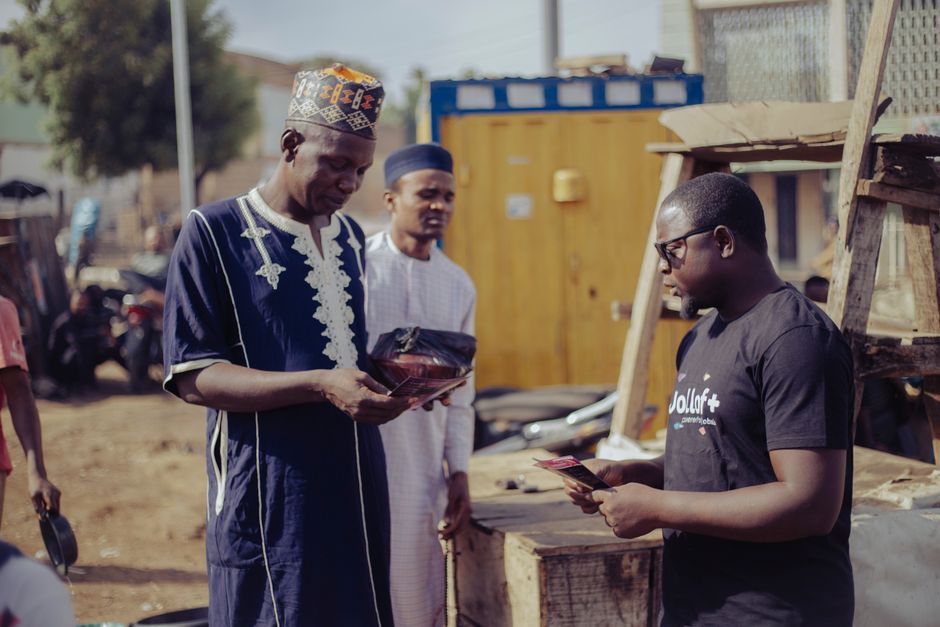
When comparing ChurchPlus and ChurchWork, the key difference lies in their foundational geographic focus: ChurchPlus is designed primarily for Nigerian church administration and its specific local payment systems, while ChurchWork offers a broader platform built for the wider West African context, including Ghana, and supporting its diverse operational needs. Both platforms aim to help churches manage members, events, and giving, but their underlying architectures and feature sets reflect these distinct regional priorities.
Understanding ChurchPlus: A Nigerian Focus
ChurchPlus has carved out a strong niche by tailoring its features to the unique administrative and cultural landscape of Nigerian churches. This includes deep integration with local payment gateways that cater specifically to the financial systems prevalent in Nigeria, making online giving and transaction processing straightforward for churches operating there. Their development has been tuned to address the specific reporting requirements and organizational structures common within Nigerian denominations. This concentrated focus means ChurchPlus often excels at meeting the precise demands of its home market, offering a deeply localized experience for its users. For churches rooted in Nigeria, this specialization can translate to a highly intuitive and compliant solution that feels purpose-built for their environment.
ChurchWork's Broader West African Approach
ChurchWork, in contrast, was developed with a wider West African perspective from the outset, with significant early adoption and development influenced by churches in Ghana. This means its design considerations extend beyond a single national context, aiming to provide flexible tools that adapt to various operational realities across the region. For instance, our platform supports multilingual interactions, including English and Twi, reflecting the linguistic diversity of many West African communities. This capability was notably tested during a major conference where ChurchWork's systems facilitated check-in for 8,752 registrations with AI greetings in both English and Twi, demonstrating its adaptability to large-scale, diverse events.
Our focus extends to managing complex logistics such as bus coordination for large events and tracking member engagement across various groups and giving patterns, all while prioritizing ease of use for volunteers and branch pastors alike. The platform's operational backbone is built to handle the demands of multi-thousand registration events while ensuring technology enhances, rather than replaces, genuine human connection within the church community.
Key Differentiators in Practice
The practical implications of these different design philosophies become clear when churches evaluate their specific needs. For a church in Nigeria, especially one with strong existing ties to local payment systems and administrative workflows, ChurchPlus's specialized approach might offer a very direct fit. The convenience of a platform precisely tuned to their national context is a significant advantage.
However, for churches operating in Ghana or with aspirations to expand their reach across West Africa, ChurchWork's broader, more adaptable framework offers distinct benefits. Its emphasis on supporting diverse languages, managing complex event logistics that cross geographical boundaries, and providing thorough member engagement tools designed for varying regional contexts can be crucial. This flexibility is particularly valuable for larger churches or denominations with multiple branches that need a consistent, powerful tool to connect members, coordinate events, and track giving across different locations and cultural nuances within the broader West African region. Ultimately, the choice often comes down to how deeply integrated a church needs its software to be with a single national context versus how much flexibility and regional adaptability it requires.
Comments
No comments yet.